Valuable Insight for New Homeowners From an Experienced Electrician
Buying a home is a major milestone, and it often comes with a long list of responsibilities that may be unfamiliar to first-time homeowners. While you may be focused on paint colors, furniture, landscaping, and other visible details, the electrical system deserves just as much attention. Knowing how your home's electrical components work and recognizing potential warning signs can help you make informed decisions about maintenance and repairs.
A home's electrical system includes much more than outlets and light switches. The service panel, breakers, wiring, grounding components, fixtures, and dedicated circuits all work together to distribute power safely. According to Bob Vila, electrical problems are responsible for more than 50,000 residential fires every year. This statistic highlights why homeowners should take unusual electrical behavior seriously rather than assuming that minor problems will resolve themselves.
Working with an experienced electrician can also help you understand the condition of an electrical system before small concerns become larger ones. Whether you are moving into an older property or a newly constructed house, a little knowledge and proactive attention can make electrical maintenance much more manageable.
Understanding Your Home's Electrical System
Start With the Electrical Panel
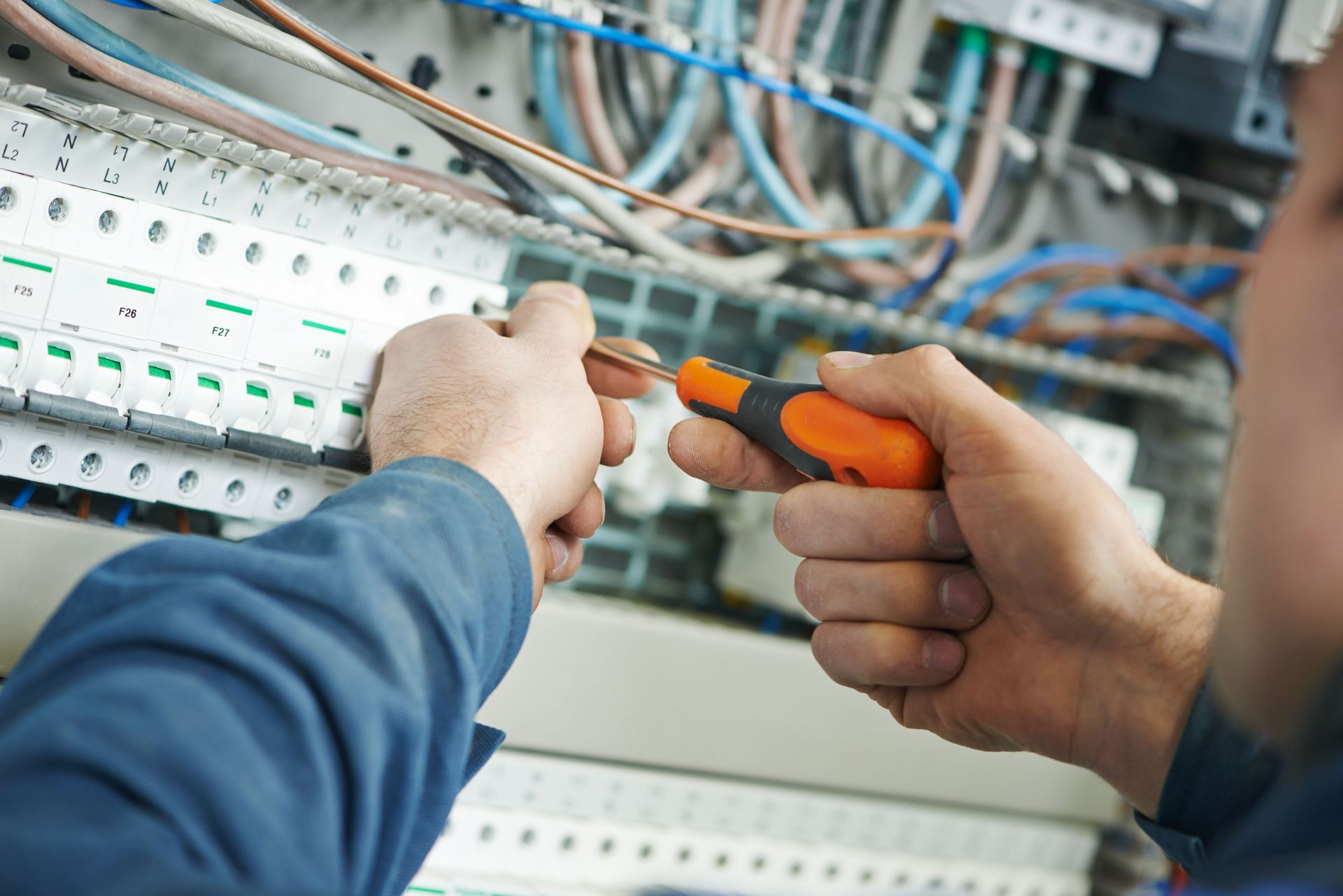
The electrical panel is essentially the central distribution point for your home's power. It contains circuit breakers that control electricity flowing to different areas or appliances. New homeowners should locate the panel, learn which breakers correspond to which circuits, and keep the area around it clear so it remains accessible during an emergency.
If you notice breakers tripping repeatedly, do not simply reset the same breaker over and over. Frequent trips can indicate an overloaded circuit, damaged wiring, a malfunctioning appliance, or another underlying problem. An electrician can evaluate the affected circuit and determine why the breaker is activating instead of treating the repeated trip as an inconvenience.
It is also worth learning whether your property has a fuse box, an older breaker panel, or a newer electrical service. Older equipment may not provide enough capacity for the demands of the household. If you are planning renovations, adding major appliances, or converting a room into a specialized living space, understanding your panel's capacity can help you plan appropriately.
Know Which Circuits Power Major Appliances
Large appliances often require dedicated electrical circuits because they draw substantial amounts of power. Ovens, dryers, water heaters, heating equipment, and other high-demand appliances may need specific circuit configurations. Knowing where these circuits are located can be useful when troubleshooting an outage or preparing for a remodeling project.
New homeowners should also pay attention to extension cords and power strips. These can be convenient for temporary needs, but relying on them extensively may indicate that the home's outlets or circuit layout do not adequately meet your needs. Adding properly installed outlets or dedicated circuits can provide a safer and more practical solution.
If an appliance repeatedly causes a breaker to trip, avoid assuming that the appliance itself is always responsible. The circuit could have a capacity issue or another electrical defect. A qualified electrician can assess the appliance connection, wiring, and circuit to identify the source of the problem.
Learn the Warning Signs
Electrical problems can present themselves in several ways. Flickering lights, buzzing sounds, warm outlets, discolored receptacle covers, burning odors, sparks, and unexplained power interruptions should all receive attention. While some issues may have simple explanations, others can indicate loose connections, damaged components, or excessive electrical resistance.
Pay particular attention to anything that feels hot when it should not. An outlet, switch, or electrical panel component that becomes unusually warm may indicate a problem that should not be ignored. Homeowners should never remove covers or attempt internal repairs without the appropriate knowledge or assistance from a professional electrician.
Understanding these warning signs gives you an important advantage as a homeowner. Instead of dismissing an unusual sound or smell, you can recognize it as a potential indication that professional evaluation is needed.
Prioritizing Safety and Preventive Care
Protect Outlets and High-Moisture Areas
Water and electricity create a particularly hazardous combination, making bathrooms, kitchens, laundry areas, garages, outdoor spaces, pools, and hot tubs especially important areas for electrical safety. Ground-fault circuit interrupters are designed to help reduce the risk of electrical shock by interrupting power when they detect an imbalance in electrical current.
Homeowners should know which outlets are protected by ground-fault circuit interrupters and understand how their test and reset functions operate. If a ground-fault circuit interrupter will not reset, trips repeatedly, or appears damaged, it should not simply be bypassed. The underlying issue needs to be identified so the protective device can function as intended.
Specialized installations near water also require careful planning. Pool equipment, hot tubs, pumps, heaters, and outdoor fixtures may involve significant electrical loads and specific grounding and bonding requirements. A qualified electrician should handle these installations and any modifications to their associated wiring.
Avoid Overloaded Circuits
Overloaded circuits are a common concern when homeowners use numerous appliances or devices in the same area. Plugging several high-demand appliances into one circuit can exceed its intended capacity, potentially causing breakers to trip or creating excessive heat within electrical components.
If you find yourself regularly relying on multiple power strips or extension cords, consider whether your electrical system needs additional outlets or dedicated circuits. A properly planned installation can distribute electrical demand more effectively while reducing clutter and unnecessary connections.
This is especially important after purchasing an older home. Previous owners may have added appliances, finished rooms, or installed equipment without upgrading the electrical service accordingly. An electrician can inspect the system and determine whether its capacity is appropriate for the home's current demands.
Schedule Inspections and Maintenance
A professional electrical inspection can be especially valuable after purchasing a home. Even if everything appears to work normally, an inspection may reveal aging wiring, loose connections, outdated components, inadequate grounding, or other concerns that are not obvious during everyday use.
Preventive maintenance can also help homeowners identify problems before they interfere with daily life. Rather than waiting for a major outage or repeated breaker trips, homeowners can address developing issues while repairs may be more straightforward.
Maintenance is particularly important in older properties, but newer homes should not be overlooked. Changes to the household can create new electrical demands over time. Adding appliances, finishing a basement, installing a pool, or remodeling a kitchen can all affect how electricity is distributed throughout the property.
Becoming a homeowner means taking responsibility for systems that may have received little attention before you moved in. Your electrical system is one of the most important of these systems, and understanding its basic components, limitations, and warning signs can help you respond appropriately when something seems unusual.
Regular inspections, responsible electrical use, and timely repairs from an electrician can all contribute to a safer and more dependable home. If you are unsure about the condition of your wiring, panel, outlets, or circuits, professional guidance can provide the information needed to make sound decisions about maintenance and improvements.
Most importantly, do not overlook seemingly minor electrical concerns. Flickering lights, warm outlets, repeated breaker trips, and unusual odors can all warrant further investigation. Taking action early can help protect your household, your property, and the electrical system you depend on every day. Contact T & B Electric today for reliable electrical inspections, repairs, and upgrades that help keep your new home safe and properly powered.

Share On: