7 Questions to Ask Before Installing a Home Generator
Preparing your property for unexpected weather events and infrastructure failures requires careful consideration and thorough planning. When the power goes out, the sudden darkness and loss of essential appliances completely disrupt your daily routine, compromise your safety, and leave you feeling vulnerable. Many homeowners take proactive steps to ensure they are never left in the dark by exploring standby energy solutions. A seamless transition during an outage provides immense peace of mind, knowing your lights will stay on, food will stay fresh, and your family will remain comfortable. Choosing the right equipment involves evaluating your specific needs, your property layout, and your long-term goals for property value. Consulting experts who understand residential power systems is highly recommended. By partnering with professionals who specialize in local generators, you navigate the selection process with confidence. Taking time to ask the right questions upfront guarantees your system operates flawlessly when needed most.
1. What Capacity Does My Household Require?
Determining the correct size for your backup system is the most critical step. You must evaluate which appliances are essential during an outage. Some homeowners only power vital circuits, such as the refrigerator and well pumps, while others prefer keeping their entire property fully operational. According to Verified Market Reports, roughly 20% of residential properties across the country experience electrical interruptions each year, which creates a growing need for reliable standby power equipment. To meet this demand effectively, carefully calculate the combined wattage of your desired essential devices. If the unit is too small, it will overload and fail to operate during an emergency. If it is too large, it operates inefficiently and wastes valuable fuel. Seeking professional guidance helps ensure you find the perfect balance for your specific energy requirements, keeping your household safe.
2. What Fuel Source Is Most Appropriate?
Backup power systems operate on several different fuels, and selecting the right one depends heavily on your property. The most common options include natural gas, liquid propane, and diesel. Natural gas is incredibly convenient because it provides a continuous supply directly from your municipal utility line. Liquid propane is an excellent alternative for homes located beyond the reach of natural gas lines, offering a clean-burning fuel stored securely on your property. Diesel is known for its durability but requires rigorous maintenance to prevent degradation over time. When evaluating these options, it is recommended to inspect a variety of local generators to see how different setups function. Understanding fuel delivery, storage safety, and long-term availability guides you toward the most practical choice.
3. What Location Is Best for the Equipment?
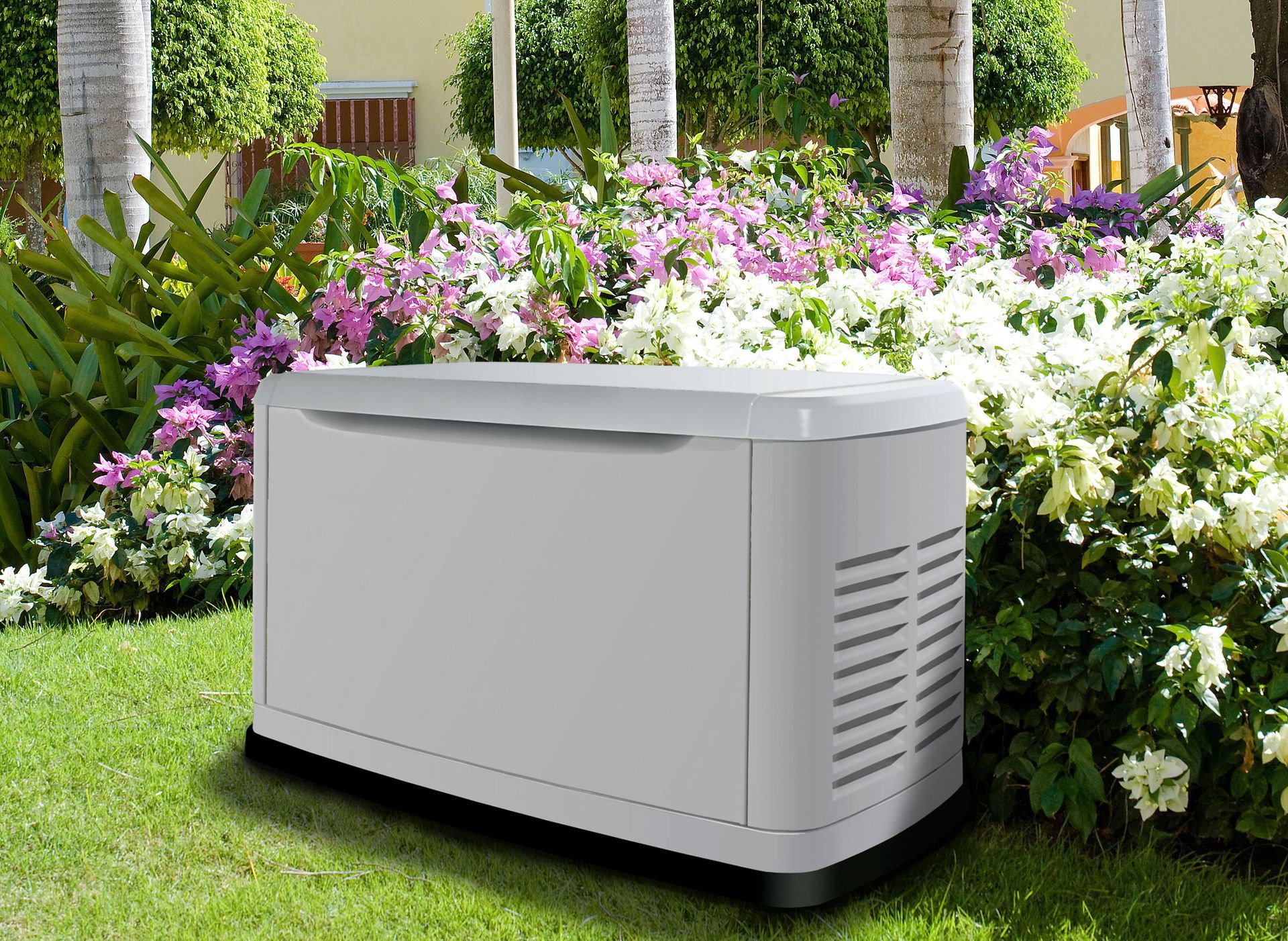
The physical placement of your backup power unit requires careful thought and strict adherence to safety guidelines. The equipment must be positioned outdoors in a well-ventilated area to ensure exhaust fumes dissipate safely away from windows and doors. Placement is dictated by municipal building codes, which mandate specific setback distances from property lines and structures. Furthermore, you must consider the proximity to your electrical meter and chosen fuel source, as minimizing the distance between these components ensures a smoother, faster, and much safer installation process. Aesthetically, many homeowners prefer placing the unit behind landscaping or fencing to keep it out of direct view, provided the essential airflow remains completely unobstructed by branches or debris. Evaluating your yard and discussing potential locations with your installation team ensures all safety protocols are properly addressed.
4. What Maintenance Routine Will Be Necessary?
Like any mechanical system, backup power units require regular maintenance to remain in peak working condition and ensure they activate immediately during emergencies. It is essential to understand the ongoing responsibilities associated with ownership. Routine maintenance typically includes changing the oil, replacing air filters, inspecting spark plugs, and ensuring the battery remains fully charged. Manufacturers recommend scheduling a comprehensive professional inspection at least once a year, along with visual checks after severe weather events. Homeowners should also be aware of the automatic exercise cycle, which runs the engine briefly every week to keep parts lubricated. When comparing models and local generators, always ask about ongoing service plans. A reliable service plan removes the burden of maintenance and provides expert care.
5. What Level of Operational Noise Should I Expect?
Noise is a common concern for homeowners exploring permanent backup solutions, particularly those living in densely populated neighborhoods with strict ordinances. The sound produced by a running unit varies significantly depending on the make, model, and enclosure type. Modern technology has led to highly advanced sound-attenuating enclosures that dramatically reduce the acoustic footprint, making contemporary models and local generators much quieter than older alternatives. However, it is crucial to understand the exact decibel output your chosen model will emit during its weekly exercise cycle and during full-scale outages. Placing the unit strategically, such as away from bedroom windows, can further mitigate auditory disturbances. Asking for sound ratings and comparing acoustic shielding options helps you select a unit that protects your peace and quiet.
6. What Permits Are Required for the Installation Process?
Navigating the bureaucratic side of property upgrades is often confusing for homeowners. Adding a permanent electrical system almost always requires specific permits from your local municipality to ensure the work complies with safety codes. Attempting to bypass this legal requirement leads to severe penalties and potential safety hazards. Depending on your location, you may need separate permits for electrical wiring and the plumbing required for a gas connection. The timeline for acquiring these documents varies, which impacts your project schedule. When reviewing options and considering local generators, ask your prospective installation team if they handle the permitting process. Partnering with a team that manages paperwork, schedules municipal inspections, and ensures code compliance saves you significant time and overwhelming frustration.
7. What Electrical Panel Upgrades Are Needed?
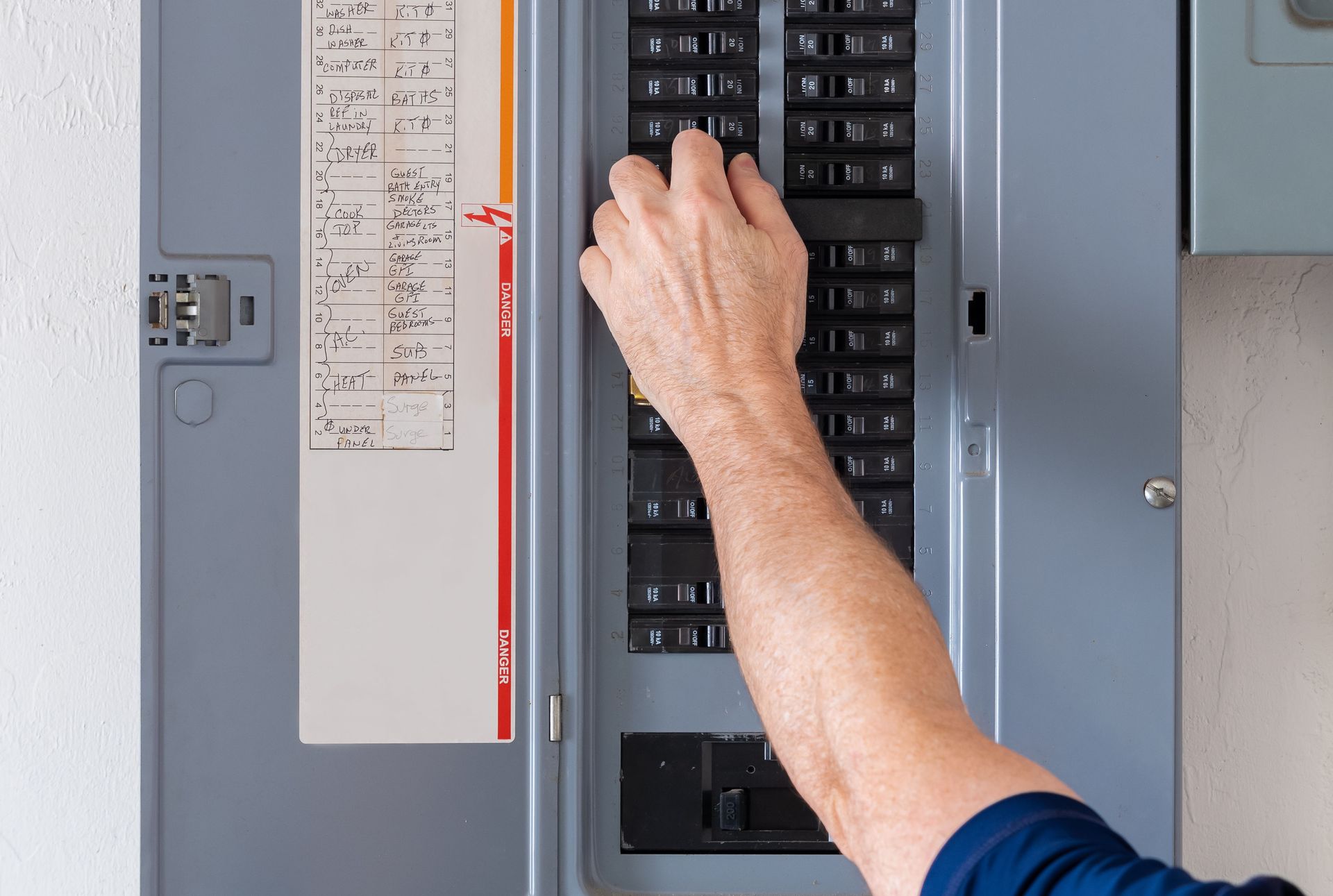
Integrating a new power source requires seamless communication with your existing electrical infrastructure. Your home's main panel acts as the central hub, and it must handle the load transferring between the utility grid and your standby system. An automatic transfer switch is a critical component that detects outages, disconnects your home from the utility line, and signals the backup unit to start. For this switch to function safely, your current electrical panel must be in excellent condition. Older homes with outdated panels may require a comprehensive upgrade to accommodate modern technology. As you compare local generators, the professionals you consult should thoroughly inspect your current setup and outline any necessary panel modifications before finalizing the overall scope of the project.
Preparing your household for unexpected electrical disruptions is a responsible decision that enhances your safety and comfort. By asking these critical questions, you navigate the complex selection process with clarity. Understanding your capacity needs, fuel preferences, and maintenance responsibilities ensures you choose a system that seamlessly integrates with your lifestyle. Gathering detailed information about permits and noise levels prevents unwelcome surprises and guarantees a smooth installation experience. Working alongside knowledgeable professionals simplifies every step, from the initial consultation to the final municipal inspection, ensuring nothing is overlooked. Ensuring you have the right equipment means you never have to worry about losing essential services during severe weather or unexpected grid failures. By exploring options for local generators, you take control of your environment. If you are ready to secure a dependable backup energy solution for your property, contact us at T & B Electric today. We will help you design and install a system that perfectly matches your unique residential needs.

Share On: